

If you get blisters regularly, at some point you will ask yourself: what protects best? Tape, blister plasters or a thin neoprene sock on the skin? All three solutions have their place – but they work differently and are suited to different situations. In this comparison we explain how the options work, where their strengths and limits lie, and which solution may suit your sport.
First the basics: fit, socks, breaking in
No blister protection replaces a shoe that fits. Blisters are caused by repeated friction and shear forces, intensified by heat and moisture. Before you reach for aids, it is worth taking a look at the basics:
- Does the heel sit firmly, or does the foot slide around in the shoe?
- Do the toes have enough room without the foot sliding forward?
- Are you wearing thin technical socks instead of thick cotton socks?
- Are the shoes broken in?
If all of that is right and it still rubs, additional protection makes sense.
Tape: targeted and thin
Sports tape is applied directly to the at-risk area of skin. The friction then occurs on the tape, not on the skin.
- Strengths: very thin, can be applied precisely, even in unusual spots
- Limits: it has to be reapplied before every session. With sweat, wet conditions or a lot of movement it can come loose, and loose edges can rub themselves. Pulling it off puts extra strain on sensitive skin.
- Suitable for: individual, known problem spots and athletes who know how to apply tape
Blister plasters: when it has already happened
Blister plasters (often hydrocolloid plasters) cushion a spot and protect an existing blister while the skin heals. Some athletes also apply them preventively to known spots.
- Strengths: cushion and relieve pressure, protect a closed blister
- Limits: they only cover a small area. If a plaster slips in the shoe, it can cause new friction. They are less intended for daily prevention over large areas.
- Suitable for: first aid and the time until a blister has healed
Neoprene protection: a second skin under the sock
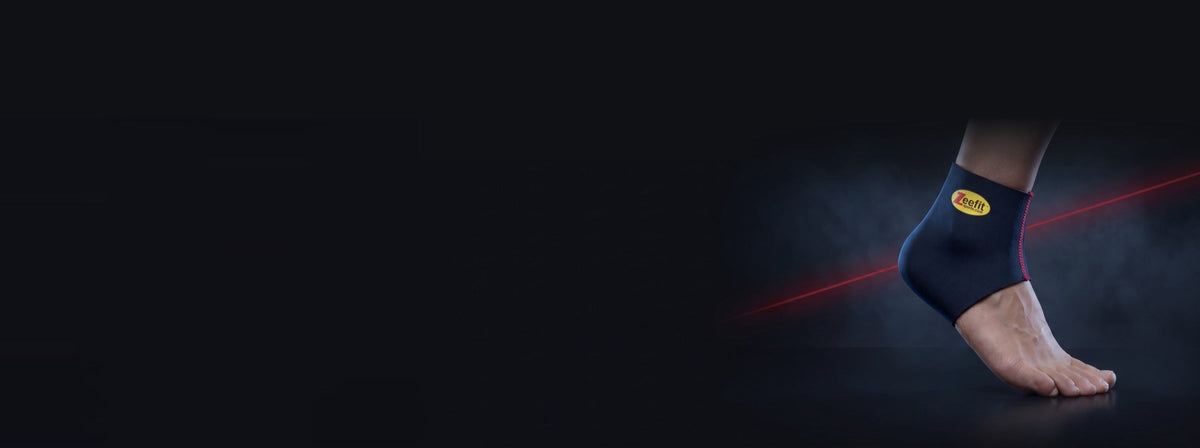
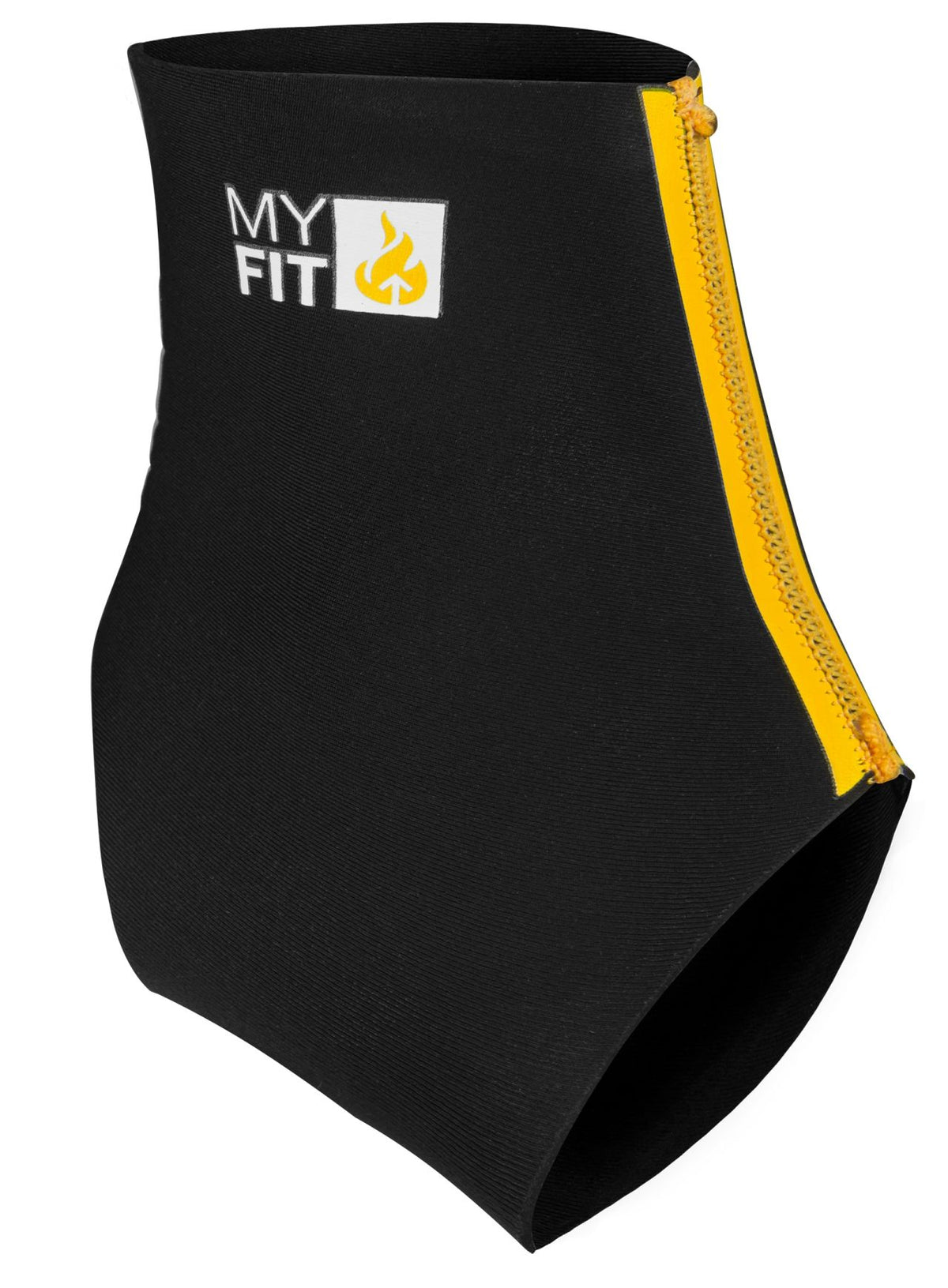
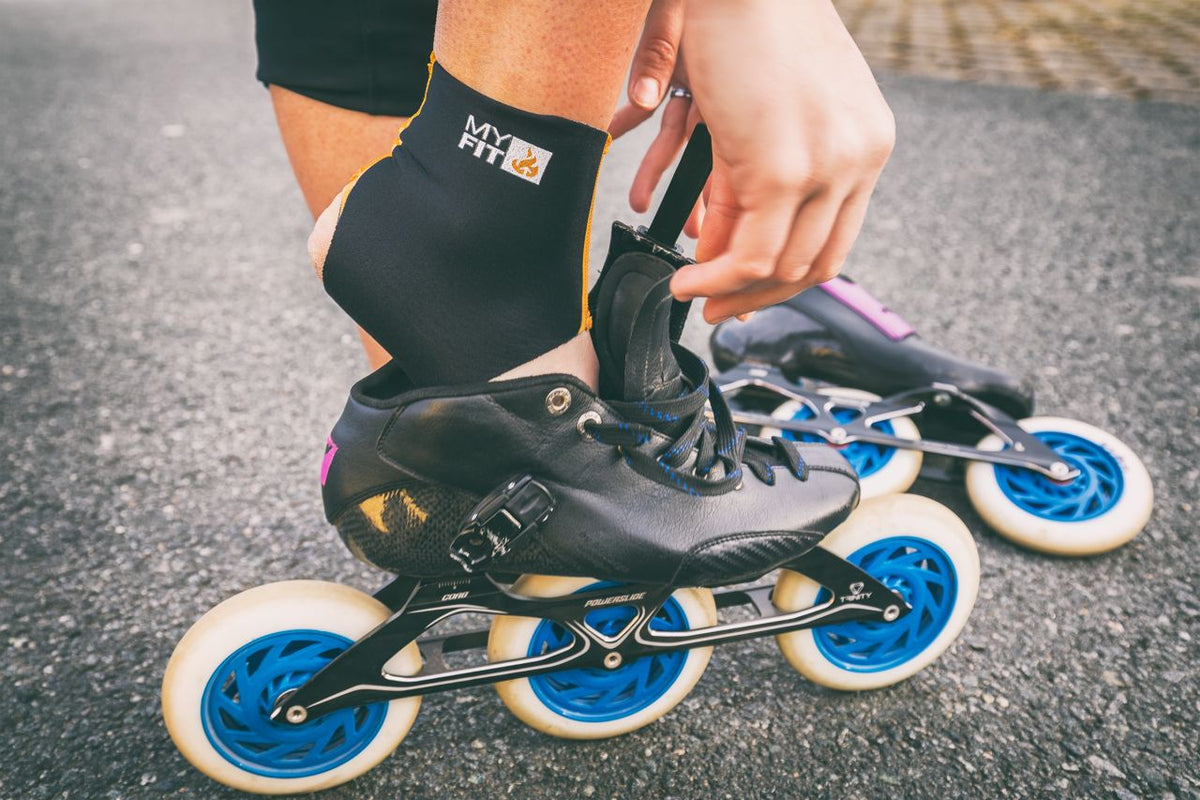
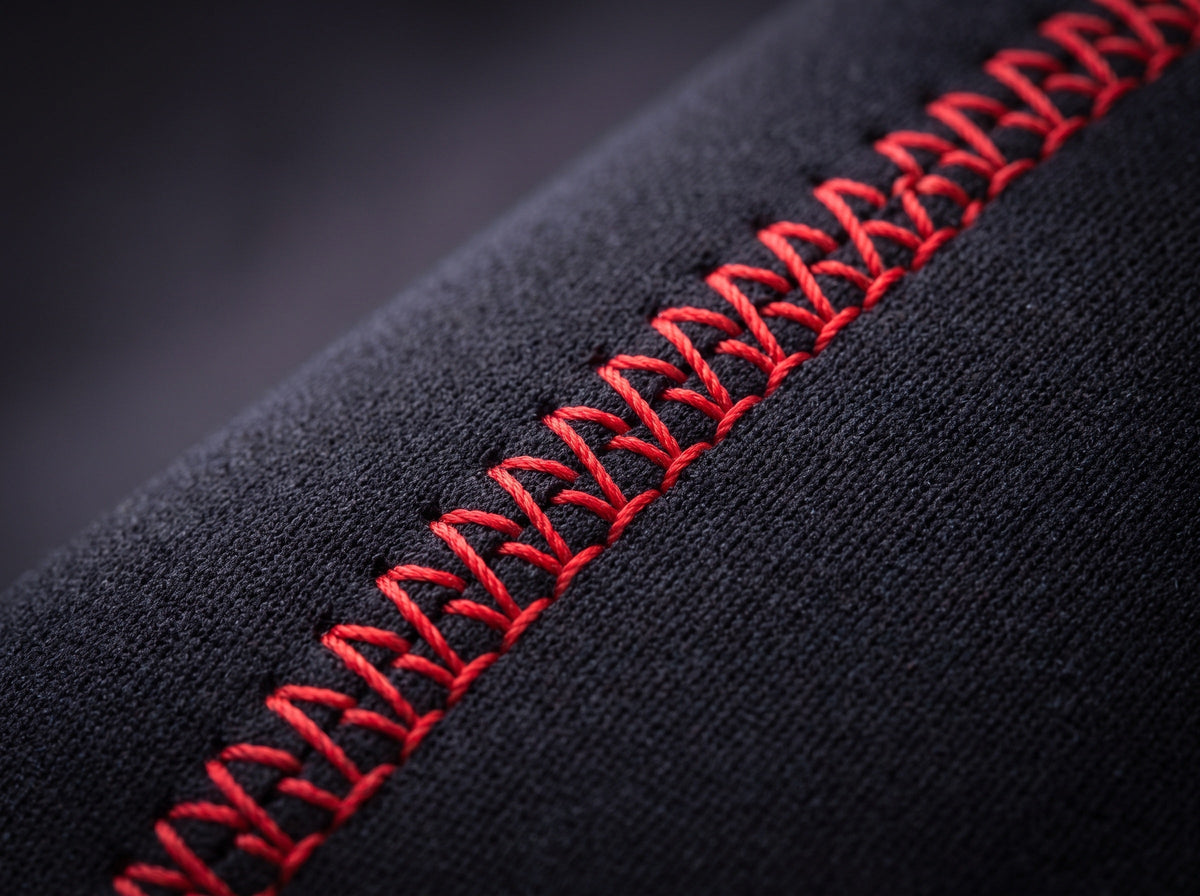
The third option hardly appears in many guides: a thin neoprene sock worn directly on the skin. Ankle Booties have almost seamless construction and are worn on bare skin under your normal sports sock. The friction then occurs between the neoprene and the sock.
- Strengths: completely covers the heel and ankle area, no taping, reusable, available in different thicknesses for different shoes
- Limits: the extra layer needs a little room in the shoe. With very tight-fitting shoes the thinnest version is therefore the more likely choice. If a blister is already open, neoprene protection does not replace a plaster.
- Suitable for: regular prevention for athletes who keep having problems in similar spots
The neoprene options at a glance
| Product | Thickness | Special feature according to the product description |
|---|---|---|
| Ankle Booties | 1, 2 or 3 mm | 1 mm for direct contact with the boot (e.g. speed skaters, ice speed skaters, footballers), 2 mm for more severe blisters (e.g. joggers, basketball players, Nordic walkers), 3 mm for loose or ill-fitting shoes (e.g. hikers); 3 mm not in XL |
| Ankle Bootie SKIN | 1 mm | slightly thicker and softer, more padding than the classic 1 mm version; super-stretch neoprene with Lycra; sizes XS to XL |
| Toe Booties | 1 mm | toe protection with a separately stitched big toe, ideal for dancesport athletes and athletes with blisters in the toe area; can be combined with Ankle Booties |
| Powerslide Footies | 1, 2 or 3 mm | same principle as Ankle Booties, sizes 31 to 49 |
We explain in detail which thickness suits which sport in the guide Ankle Booties: 1, 2 or 3 mm?.
Direct comparison
| Tape | Blister plaster | Neoprene protection | |
|---|---|---|---|
| Main purpose | Prevention in one spot | Protection of an existing blister | Prevention on the heel, ankle or toes |
| Area | small to medium | small | large |
| Application | apply before every session | apply and leave until it comes off | pull on like a sock |
| Reusable | no | no | yes |
| Room in the shoe | hardly any | little | 1 to 3 mm depending on thickness |
Combining is allowed
The solutions are not mutually exclusive. If you already have a blister, protect it with a blister plaster; you can wear neoprene protection over it, provided the shoe has enough room. Athletes with problems on the toes and heel combine Toe Booties and Ankle Booties. It is important to test every new combination in training first and not on competition day.
We have written separate guides for some sports, for example on hiking, running and indoor sports, or on the topic of avoiding blisters and pressure points when inline skating.
Important with existing blisters
If possible, do not pierce a blister, because the blister skin protects the wound underneath. For open, inflamed or recurring sores, please seek medical advice.
Not sure which solution suits your sport and your shoes? We will be happy to advise you by phone on +49 (0) 77 20 / 34 70 6, in our shop in Villingen-Schwenningen or via the contact form.